
Let's face it. The days of keeping all your company's tech securely locked in one physical office are long gone. With remote teams working from everywhere and applications scattered across multiple cloud providers, the old moat and castle security approach isn’t cutting it anymore.
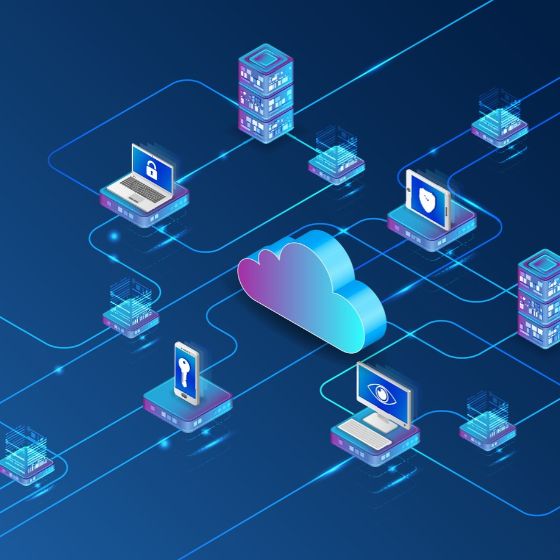
That is exactly where cloud managed firewalls step in. Think of them as your highly adaptable modern security guards. They filter, inspect, and secure your network traffic no matter where your users or data happen to be.
Why Make the Switch?
If you are still relying on physical security hardware, you already know how frustrating it is to keep up with sudden traffic spikes. Moving to a cloud model fixes that problem entirely while adding some serious perks.
- Scalability: Cloud firewalls automatically grow right alongside your business without requiring expensive manual hardware upgrades.
- One unified view: Your security team can enforce policies across AWS, Azure, and your local networks from one single dashboard.
- Deep internal tracking: They monitor traffic moving between your internal workloads. If a hacker somehow sneaks past the front door, the firewall stops them from wandering around inside your systems.
The Reality of Firewall Audits
Simply turning on a cloud firewall is a great start, but it is not enough on its own. You have to make sure it is actually doing its job, which brings us to the importance of security audits.
Regular audits act like a routine health checkup for your network defenses. They catch sneaky misconfigurations, outdated rules, and hidden vulnerabilities before the bad guys can exploit them.
Audits are also your best friend when it comes to compliance. Whether you are dealing with HIPAA, GDPR, or PCI DSS, regulators want documented proof that your access controls actually work. Skipping these routine checks is a fast track to hefty fines, legal headaches, and a massive hit to your customer trust.
What a Good Audit Looks Like
Walking through an audit does not have to be a nightmare. Here is how a systematic checkup usually flows:
Review Access Controls: Only give people the access they actually need.
-
- Take a close look at all user permissions. Revoke access for former employees immediately and double check that your current staff only have the administrative rights required for their specific jobs.
Analyze Rule Sprawl: Clean out the digital clutter.
-
- Firewall rules pile up over time. Identify and delete redundant or conflicting rules that might accidentally create security blind spots or slow down your network performance.
Validate Traffic Logs: Keep all the receipts.
-
- Make sure you are actively recording all network activities. If a breach ever happens, you will need those protected logs to figure out what happened and to show auditors you were paying attention.
Conduct Vulnerability Scans: Find your own weak spots first.
-
- Run active tests against your cloud setup. This helps you detect accidental misconfigurations and proves that your automated security triggers are firing exactly as they should.
Final Thoughts
Keeping your cloud environment secure is an ongoing journey rather than a one-time project. Partnering with a managed service takes a huge weight off your IT team. It allows you to generate automated compliance reports, stay ahead of new threats, and keep your business secure without the constant daily headache.

Make sure to tune in to the next episode of our Security & Compliance Series: Domain & Network Policies.